Table of Contents
To compare samples under consistent conditions before committing to stock, a buyer of hair integration system needs to connect sample identity with base outline density map and hair direction. This guide considers that purchasing decision for a localized cosmetic coverage service. The practical questions for hair integration system concern trial conditions, professional observations, wash routine. Use the product details below to define the required evidence and the point at which a sample, quotation or production version can be approved.

For hair integration system, confirm sample identity before approving the order.
Define the purchase decision for hair integration system
A sample trial should answer a specific purchase question. Decide whether the buyer is comparing construction, color, hair handling or the complete professional service. Testing everything at once makes the result difficult to interpret. Write down the question before requesting samples, then choose versions that differ in a controlled way so the observations can guide a clear approval decision.
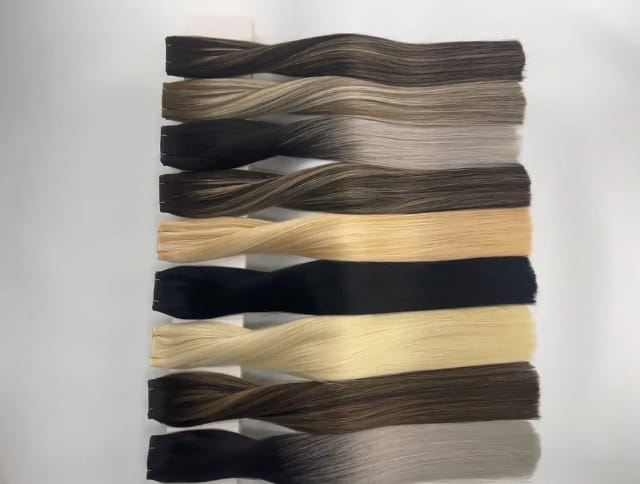
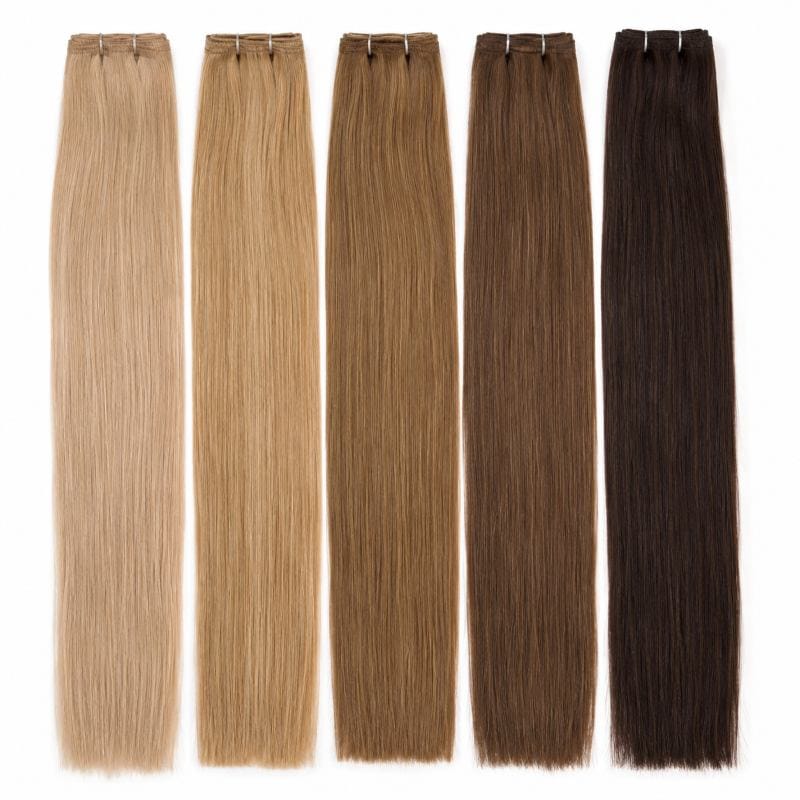
For hair integration system, the product detail to examine is below. Hair integration products address coverage and blending in a defined area rather than simply adding length below an extension attachment. Ulian lists a flat, flexible film format. Ask the supplier to explain the base construction and intended professional service. Terms such as mesh, film and integration are not interchangeable specifications, so the purchase brief should identify the actual material and structure being supplied.
Identify the construction and measurements
Map the relevant dimensions and placement before choosing a heavier or longer version. Identify where the product needs to sit and where its edge, base or attachment could become visible. A diagram and a physical sample can make these questions easier to discuss. Keep the brief focused on the intended result rather than assuming that a larger product solves every coverage concern.
Compare the complete sample for hair integration system
Use the same preparation and review conditions when comparing samples. If one piece is washed and another remains heavily styled for display, softness comparisons can be misleading. Follow the supplier's directions and record any deviations. A good trial does not need elaborate equipment, but it does need enough consistency that the buyer understands what caused the observed difference.
Review the service and appearance
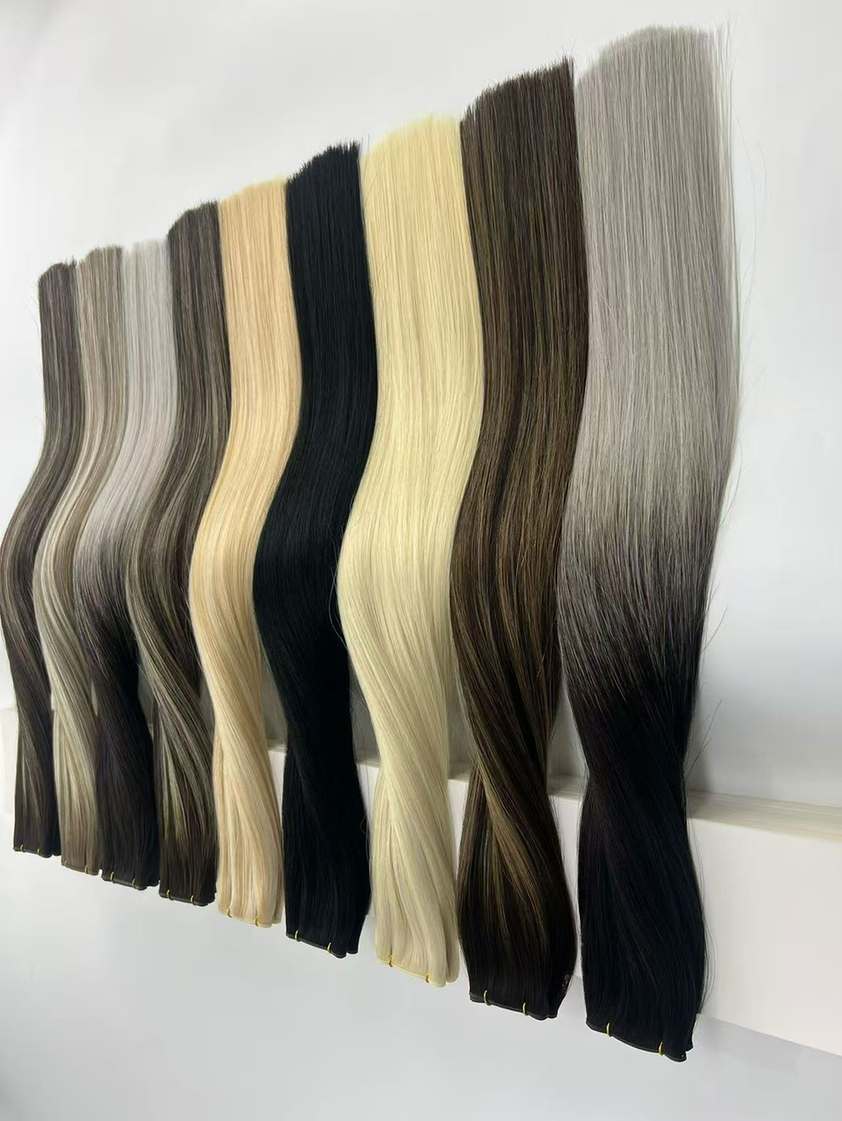
Ask the appropriate professional to evaluate fitting or installation questions. Product photographs cannot establish client suitability or demonstrate a complete service workflow. Record the professional's observations about the supplied construction and the intended method. Keep those observations separate from marketing preferences, such as whether the packaging looks attractive or whether the shade name suits the proposed retail collection.
A sample of hair integration system should be assessed in its intended arrangement. Density needs to be described by area and appearance rather than by one vague premium label. The front, parting and central area may require different visual fullness. Request a reference sample or annotated base diagram to define that distribution. A buyer should not assume that increasing total weight improves blending, because excessive density in the wrong area can change the intended appearance.
Check color density and handling for hair integration system
Consider the distribution of fullness at the transition into natural hair. Too much hair in one area can create a visible boundary even when total weight meets the brief. Ask for the density or piece arrangement to be adjusted where needed, then review the revised sample. The decision should follow the complete appearance rather than a preference for the highest density figure in the quotation.
Turn observations into acceptance criteria
When washing is part of the trial, document the routine and compare the sample after it has dried under the agreed conditions. Record changes in texture, handling and appearance without turning one trial into a universal lifespan claim. If the outcome is unclear, repeat the relevant step with a fresh sample rather than adding unrecorded products or styling changes that make the comparison harder to explain.
Before approving hair integration system, ask how this point is controlled. Ask the professional to review attachment compatibility, daily handling and removal before the product is approved. The base may require a different service from the salon's standard extension menu. A supplier description is not a client assessment. Product copy should discuss appearance and coverage without implying treatment of hair loss or suitability for every scalp condition or every pattern of thinning.
Control packaging and item identity for hair integration system
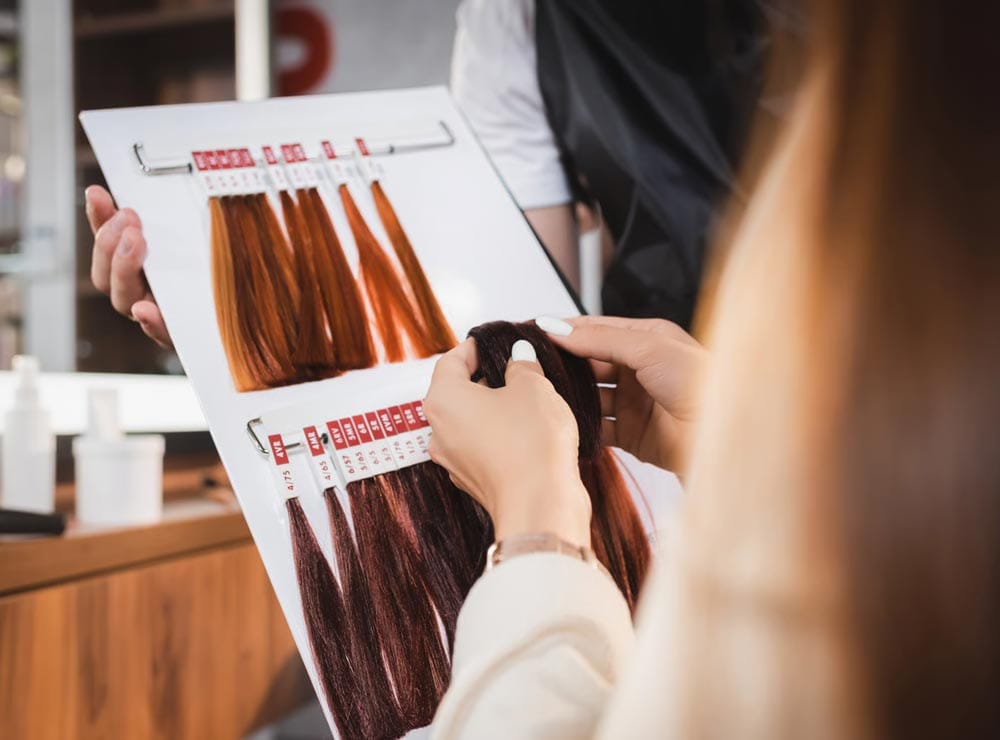
Give the customer clear information about the professional services and adjustments the product may require. Do not imply a guaranteed fit from an adjustable component or a universal result from one coverage size. Support material should explain the supplied design and the route for individual advice. Where the buyer cannot confirm suitability, a further fitting review is preferable to an unsupported promise.
Carry the approval into the next order
Retain the approved sample together with its trial record. Ask the supplier to keep a matching reference and identify which version controls production. Summarize the important findings for purchasing and customer support staff. This prevents the evidence from staying with one stylist while the next order is placed by someone who has only the supplier's latest promotional photograph.
A repeat order for hair integration system should preserve the relevant detail. For replenishment, record whether the base pattern, hair direction and density layout remain the same as the approved sample. A new piece with the same length and shade can still behave differently if its underlying construction changes. Ask the supplier to identify revisions before shipment. Retain a complete reference unit so future comparisons include the structure that creates the coverage result.
Compare the buying options
The following comparison for hair integration system keeps the purchase question visible. Use the evidence column to request a useful supplier response. A lower price or a more attractive image does not resolve an open question about base outline density map and hair direction.
| Buying approach | Evidence to request | Decision value |
|---|---|---|
| Catalogue description only | Name, headline specification and display photograph | Useful for an initial shortlist; construction and acceptance remain open. |
| Identified physical sample | Base outline density map and hair direction; measurements and a retained reference | Lets the buyer review the actual finished format. |
| Controlled comparison | A fitting review of the supplied film construction; trial conditions and professional observations | Connects the product to the specific purchasing question. |
| Approved production brief | Item version, approved references, approval decision and change approval | Gives the factory an instruction that can be checked at receiving. |
Prepare a focused inquiry
For hair integration system, start by review the relevant product construction. Ulian describes wholesale and OEM/ODM support for professional hair buyers. Send a reference for the intended localized cosmetic coverage service, identify the required variants and ask the team to confirm base outline density map and hair direction. Keep the sample request specific enough to answer the buying question above.
Review Ulian’s customization process and request a written proposal for hair integration system. Include the questions still open about sample identity, wash routine and approval decision. Confirm availability, quantities and timing for the actual specification.
Keep launch claims tied to evidence from the supplied product. The FTC advertising and marketing guidance is a useful starting point for reviewing claim language. It is not a product certification or an endorsement of a supplier. Remove unsupported promises before printing a branded care card or product description.
Discuss your hair integration system specification with Ulian. Use the inquiry form below to share your reference, product variants and estimated quantities. Add the questions about base outline density map and hair direction so the team can respond with suitable sample and quotation options.
Frequently asked questions
What should a trial of hair integration system answer?
Choose one purchasing question, such as construction suitability or care behavior. A controlled comparison gives more useful feedback than changing the product, preparation and review method at the same time. Keep the hair integration system reference with this decision.
How do I identify samples of hair integration system?
Assign a sample code and record the supplied version before handling it. Keep baseline photographs and the factory instructions with the observations so later feedback refers to the correct goods.
Who should review installation of hair integration system?
Ask a suitably qualified professional to assess the actual construction and intended service. Keep professional observations separate from packaging preferences and from questions about an individual customer’s suitability. Keep the hair integration system reference with this decision.
How should wash observations for hair integration system be recorded?
Follow the supplied directions and document the routine. Compare the sample after the agreed drying stage, and describe observed changes without turning one trial into a universal lifetime promise.
When is a sample of hair integration system approved?
Approve when the identified sample meets the agreed purpose and requirements. Record any limitations and retain the reference. If an essential question remains unresolved, request clarification or a revised sample. Keep the hair integration system reference with this decision.