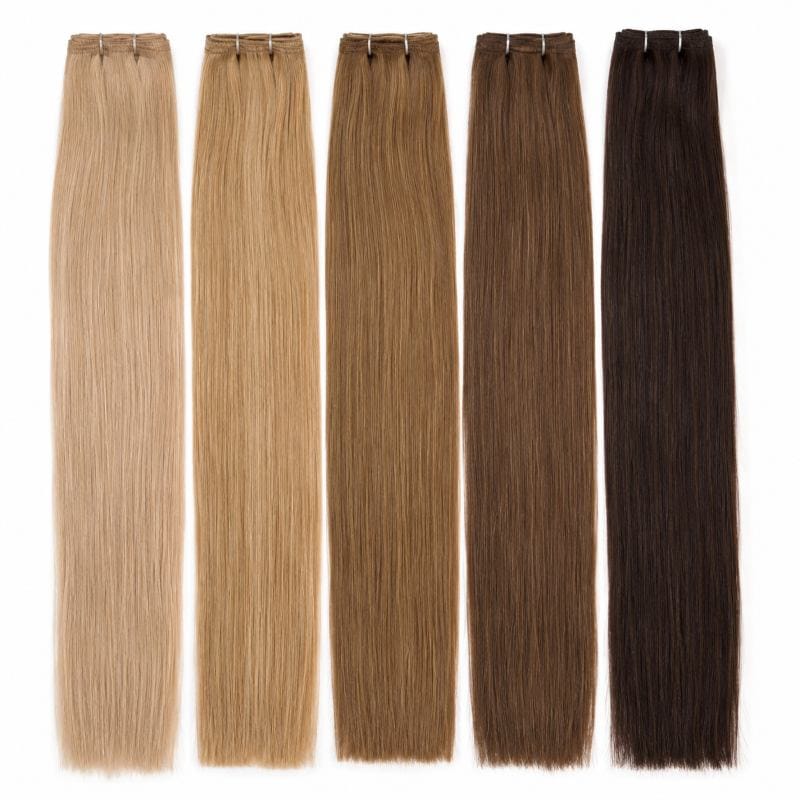
I-Tip vs U-Tip Hair Extensions for Salon Product Planning
i tip vs u tip hair extensions is a high-intent search because the visitor is usually comparing a real product decision, not browsing for generic inspiration. This guide explains how I-Tip vs U-Tip Hair Extensions fits strand-by-strand tip extensions, what details affect quality, and how to move from product interest to a more confident wholesale inquiry.
The practical answer to i tip vs u tip hair extensions depends on the customer, installation method, care routine, and reorder plan. Choose the option that gives the most predictable result for professional salons that install I-tip, U-tip, flat tip, nano, or fusion methods rather than the option with the most attractive first quote.
The focus is practical and visitor-facing: product fit, sample review, packaging, care expectations, order risk, and reorder stability. Use it to understand whether i tip vs u tip hair extensions belongs in your salon, retail, online, or private label plan.
Article Navigation
- Best Fit Recommendation for I-Tip vs U-Tip Hair Extensions
- Who Should Consider I-Tip vs U-Tip Hair Extensions
- Specifications That Change I-Tip vs U-Tip Hair Extensions Quality
- Decision Table for I-Tip vs U-Tip Hair Extensions
- Quality Signals Visitors Should Check in I-Tip vs U-Tip Hair Extensions
- Packaging Choices for I-Tip vs U-Tip Hair Extensions
- Reorder Control for I-Tip vs U-Tip Hair Extensions
- Risk Signals to Watch Before Ordering I-Tip vs U-Tip Hair Extensions
- Internal Resources
- Frequently Asked Questions
Best Fit Recommendation for I-Tip vs U-Tip Hair Extensions
The practical answer to i tip vs u tip hair extensions depends on the customer, installation method, care routine, and reorder plan. Choose the option that gives the most predictable result for professional salons that install I-tip, U-tip, flat tip, nano, or fusion methods rather than the option with the most attractive first quote.
The most reliable choice is the one that matches professional salons that install I-tip, U-tip, flat tip, nano, or fusion methods. A product can look attractive in photos and still fail if the construction, maintenance routine, or package promise does not fit the end customer.
Use the first sample to test the highest-risk details first. If those details are acceptable, the rest of the order becomes easier to organize and repeat.
Who Should Consider I-Tip vs U-Tip Hair Extensions
I-Tip vs U-Tip Hair Extensions is most relevant for professional salons that install I-tip, U-tip, flat tip, nano, or fusion methods. These customers need the product to be easy to explain, sample, maintain, and reorder.
A salon customer may value installation comfort and consistent shades. An online seller may need packaging clarity, product photos, and low return risk. A distributor may care most about carton organization and SKU repeatability.
The article should therefore guide the visitor toward the product configuration that fits their channel, not push every visitor toward the same specification.
Specifications That Change I-Tip vs U-Tip Hair Extensions Quality
The specification for i tip vs u tip hair extensions should be written in product language, not only in broad adjectives. Include hair type, length, color, texture, construction, weight, package level, and target customer.
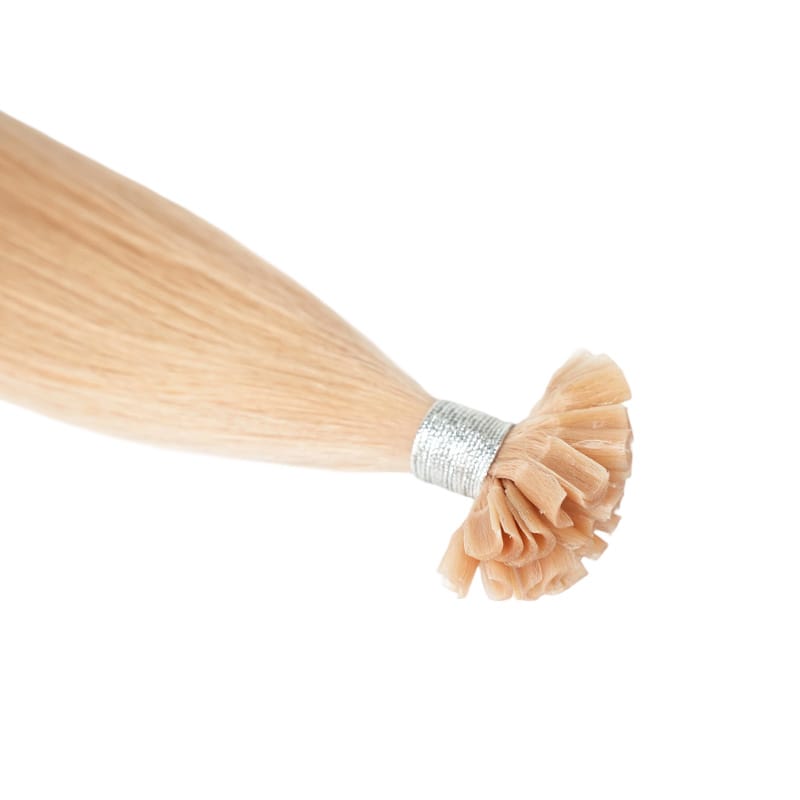
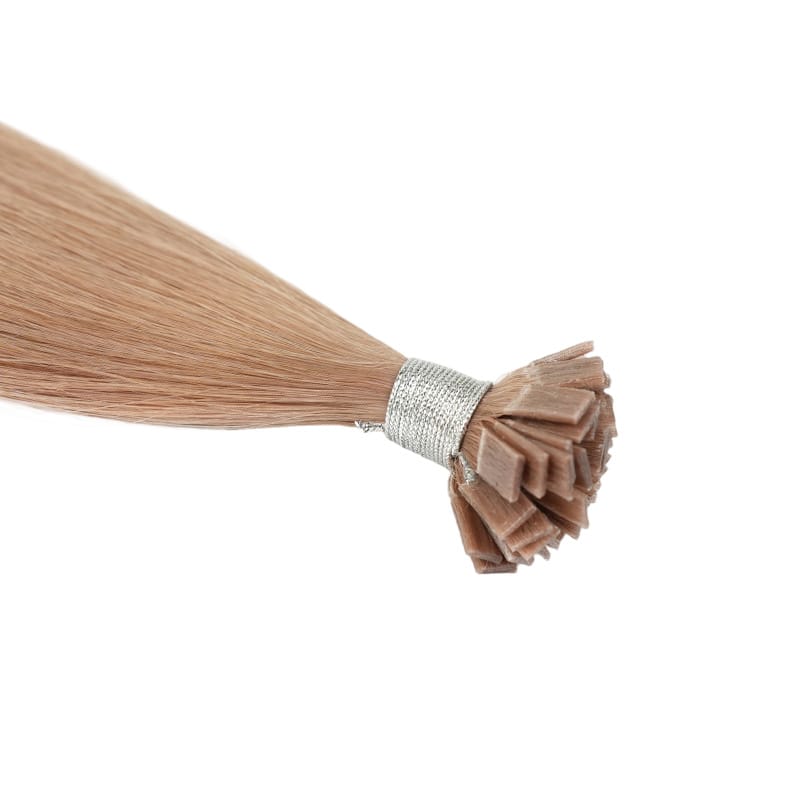
For strand-by-strand tip extensions, small details can change the finished result. Pay special attention to tip shape, bond neatness, strand weight, color blend, length tolerance, and method compatibility. These are the points most likely to create different quotes from different suppliers.
Keep a versioned specification sheet for samples and bulk orders. It helps both sides identify whether a later problem comes from the product, packaging, handling, or customer expectation.
Decision Table for I-Tip vs U-Tip Hair Extensions
Use the table below to compare i tip vs u tip hair extensions in a visitor-friendly way. It focuses on the decisions that usually change product satisfaction after the first order.
| Decision area | What to check | Why it matters |
|---|---|---|
| Customer fit | professional salons that install I-tip, U-tip, flat tip, nano, or fusion methods | Prevents selling the right product to the wrong use case |
| Specification | tip shape, bond neatness, strand weight, color blend, length tolerance, and method compatibility | Makes supplier quotes comparable |
| Quality review | uniform bond size, clean hair direction, stable color, balanced strand weight, and tidy packing by shade | Protects the approved sample standard |
| Care expectation | professional installation, careful brushing around bonds, and scheduled maintenance appointments | Reduces avoidable complaints after delivery |
| Order risk | mixed strand weights, bulky bonds, poor color blends, and insufficient installer education | Shows what to inspect before scaling |
Quality Signals Visitors Should Check in I-Tip vs U-Tip Hair Extensions
The clearest quality signals for i tip vs u tip hair extensions include uniform bond size, clean hair direction, stable color, balanced strand weight, and tidy packing by shade. These signals are more useful than broad grade names because they can be inspected.
Ask for pre-shipment photos or videos that show the exact product and package, not only generic catalog images. The evidence should match the sample standard.
Quality control works best when feedback is precise. Instead of saying the product is not good enough, identify shade variation, length tolerance, edge bulk, strand weight, bond size, tab finish, or package labeling issues.
Packaging Choices for I-Tip vs U-Tip Hair Extensions
Packaging for i tip vs u tip hair extensions should protect the product and help the customer understand what they received. Practical labels can be as important as decorative design.
Separate product cost from package cost. Bags, boxes, hang tags, care cards, barcode stickers, and carton labels may have different MOQ and lead times.
Before printing permanent packaging, review product names, origin wording, care claims, and quality claims. The package should match the actual product and the market where it will be sold.
Reorder Control for I-Tip vs U-Tip Hair Extensions
Reorders for i tip vs u tip hair extensions become easier when the first order is documented well. Keep approved samples, color references, package files, SKU names, carton marks, and inspection notes.
After the first batch, collect feedback by product detail rather than broad opinion. Track fit, color, texture, comfort, shedding, packaging clarity, and customer questions.
Change only the highest-impact details on the next order. This keeps improvement measurable and protects the parts of the product that customers already like.
Risk Signals to Watch Before Ordering I-Tip vs U-Tip Hair Extensions
The main risk signals for i tip vs u tip hair extensions include mixed strand weights, bulky bonds, poor color blends, and insufficient installer education. These should be checked before the visitor increases order quantity.
Other warning signs include unclear sample source, vague lead time, missing package proof, inconsistent product photos, and quotes that do not list the same specification.
Risk is easier to manage before production starts. Once labels are printed or bulk goods are packed, small unclear details can become expensive to correct.
Internal Resources From Ulian Hair
Use these Ulian Hair pages when comparing i tip vs u tip hair extensions. The best next page depends on whether the visitor needs product examples, service context, company information, or a direct inquiry route.
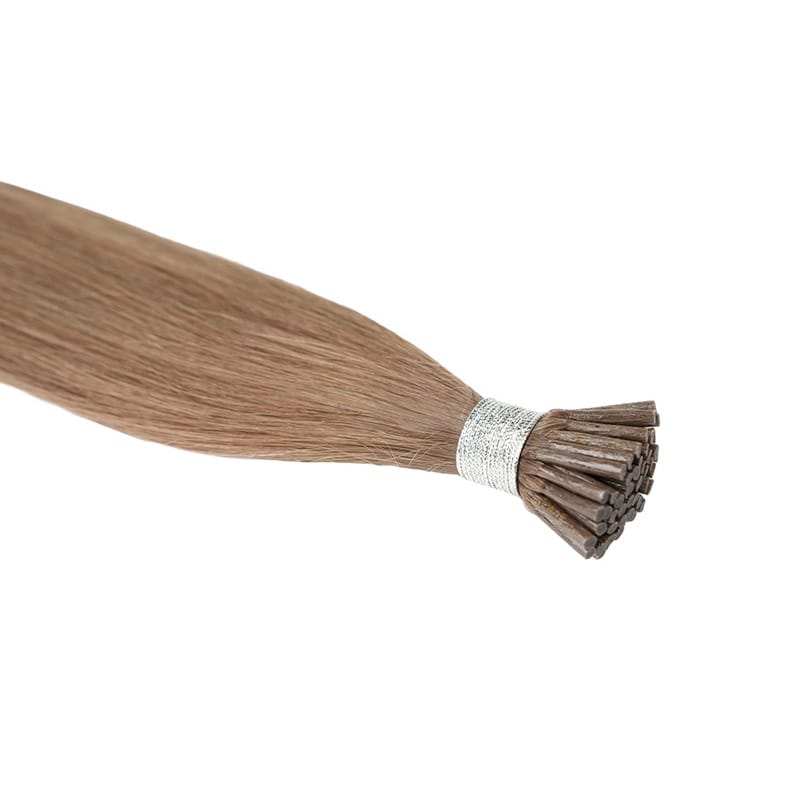
- I-Tip Hair Extension – Related product context for i tip vs u tip hair extensions planning.
- U-Tip Hair Extension – Related product context for i tip vs u tip hair extensions planning.
- Flat Tip Hair Extension – Related product context for i tip vs u tip hair extensions planning.
- Nano Ring Tip Hair Extensions – Related product context for i tip vs u tip hair extensions planning.
- Products – Useful next step for comparing Ulian Hair product and service options.
References for Claims Care and Packaging Review
Product claims, care guidance, and packaging wording should match the market where the product will be sold. The resources below are useful starting points for visitor research and responsible product planning.
- FTC guidance on origin claims – Useful for reviewing origin and market-facing product claims.
- AAD information on tight hairstyles – Useful context for comfort, tension, and salon education.
Frequently Asked Questions
What should I check first when comparing i tip vs u tip hair extensions?
Start with product fit and specification clarity. For this product family, review tip shape, bond neatness, strand weight, color blend, length tolerance, and method compatibility. Once those points are clear, sample quality, MOQ, packaging, and price can be compared more fairly.
Is i tip vs u tip hair extensions better for salons or online sellers?
It depends on the final specification. Salons often care about service fit and maintenance, while online sellers need clear photos, package details, and simple customer education. The same keyword can support both if the product plan is written clearly.
How can I reduce quality problems before a bulk order?
Approve a sample that matches the bulk specification, keep a retained reference, request pre-shipment photos or videos, and confirm labels and cartons before shipment. Quality checks work best when every side uses the same documented standard.
Should I choose the lowest wholesale price?
Price matters, but it should be compared after the specification is equal. A low quote may reflect different hair weight, construction, packaging, inspection scope, or lead time. Compare value by repeatability, not by price alone.
How does Ulian Hair support i tip vs u tip hair extensions inquiries?
Ulian Hair can review the target customer, product family, length, color, texture, quantity, package needs, and sample plan. Sharing those details helps the team recommend a realistic route for i tip vs u tip hair extensions.
Conclusion
The right approach to i tip vs u tip hair extensions is to make the product decision specific. Confirm the customer, product family, construction, color, length, weight, packaging, sample standard, care guidance, and reorder plan before scaling. If you want help reviewing options, send Ulian Hair your target market, product type, quantity, color range, texture, and package needs.
Common Selection Mistakes With I-Tip vs U-Tip Hair Extensions
One common mistake with i tip vs u tip hair extensions is judging the product only by the first photo. Photos matter, but construction, weight, packaging, comfort, and care guidance often decide whether the customer reorders.
Another mistake is adding too many variants before the winning range is clear. A focused first launch creates cleaner feedback and protects cash flow.
Visitors should also avoid comparing quotes when specifications are not equal. Equal specifications make supplier differences easier to see.
Customer Feedback Points for I-Tip vs U-Tip Hair Extensions
After customers use i tip vs u tip hair extensions, collect feedback on color, texture, fullness, comfort, shedding, tangling, package clarity, and care questions.
Sort feedback by product detail. This helps identify whether the next change should be product construction, shade range, package information, or customer education.
Repeat orders improve faster when feedback is specific. Keep what worked and adjust the detail that creates the largest customer benefit.
Before You Scale I-Tip vs U-Tip Hair Extensions
Before scaling i tip vs u tip hair extensions, confirm that the approved sample, bulk goods, labels, package files, and carton marks all describe the same product.
Check the product again against uniform bond size, clean hair direction, stable color, balanced strand weight, and tidy packing by shade. Scaling should happen after the product is repeatable, not only after a single sample looks attractive.
If the first batch is new to the market, scale gradually. A measured reorder is often safer than changing too many lengths, colors, and package options at once.