For salons, hair distributors, and private-label beauty brands, choosing the right wholesale tape in hair extensions is not only about finding a product that looks good in photos. It is about consistency, client satisfaction, repeat orders, and whether the supplier can support your business as demand grows. A tape-in product may look simple from the outside, but the quality behind it depends on hair selection, cuticle alignment, tape strength, color work, thickness balance, packaging, and after-sales communication.
The market environment also makes supplier selection more important. Wigs and hair extensions have become more widely accepted as everyday beauty products, not only special-occasion items. Recent consumer coverage has pointed to stronger mainstream interest in wigs, toppers, and extensions, while Statista data cited in industry reporting projected the global wigs and hair extensions market to reach over $13 billion in 2026. That does not mean every buyer should rush into inventory. It means professional buyers need a more structured way to evaluate products before scaling.
This guide explains how to evaluate wholesale tape in hair extensions before placing a bulk order, especially if you are building a salon retail line, launching a hair extension brand, or expanding your current human hair product catalog.
Inhaltsverzeichnis
Why Tape-In Extensions Remain a Strong Wholesale Category
Tape-in extensions continue to be one of the most practical professional hair extension methods because they are lightweight, flat, and relatively discreet when applied correctly. For end users, tape-ins can add length, fullness, or color dimension without the heavier feeling of some other methods. For salons, they are practical because application and maintenance are easier to standardize than many highly customized installation systems.
From a wholesale point of view, wholesale tape in hair extensions are also attractive because they can be developed into many variations. A supplier may offer straight, body wave, deep wave, natural wave, ombre, balayage, piano color, rooted color, or custom shades. This makes tape-ins suitable for different markets, from everyday salon clients to boutique hair brands focused on premium color matching.
What Makes Tape-Ins Different for B2B Buyers?
For retail customers, the main concern is usually appearance. For B2B buyers, the concern is broader. A salon, distributor, or hair brand must think about installation results, product consistency, inventory control, packaging, and repeat purchasing.
That is why wholesale tape in hair extensions should be evaluated as both a beauty product and a supply-chain product. If a buyer only checks softness and color in a sample, they may miss problems that appear later in bulk orders.

Start With Hair Quality, Not Packaging
Good packaging can help a brand look professional, but it cannot fix poor hair quality. When evaluating wholesale tape in hair extensions, start with the hair itself.
Check the Hair After Washing
The first point to check is whether the hair feels natural from root to end. High-quality human hair should not feel overly coated, waxy, or stiff. Some hair may feel silky at first because of heavy silicone treatment, but that finish can fade after washing. A better sample test is to wash, dry, brush, and lightly style the hair before judging it.
Review Thickness From Top to End
Second, check the thickness balance. For tape-ins, thin ends can make the finished hairstyle look uneven, especially after trimming and blending. Buyers should ask whether the supplier offers single drawn, double drawn, or customized thickness options. Double drawn hair usually gives a fuller appearance from top to bottom, while single drawn hair can look more natural and layered depending on the target market.
Why End Fullness Matters
End fullness affects how finished styles look after installation. If the ends are too thin, stylists may need to cut more length than expected to create a balanced result. For salon clients, that can feel disappointing. For wholesale buyers, it may increase complaints and reduce repeat orders.
Examine Tangling and Shedding
Third, examine tangling and shedding. A small amount of shedding can happen with any hair product during handling, but excessive shedding after brushing or washing is a warning sign. With wholesale tape in hair extensions, poor alignment or weak processing can lead to tangling, dryness, and customer complaints after only a short period of wear.
Evaluate the Tape Area Carefully
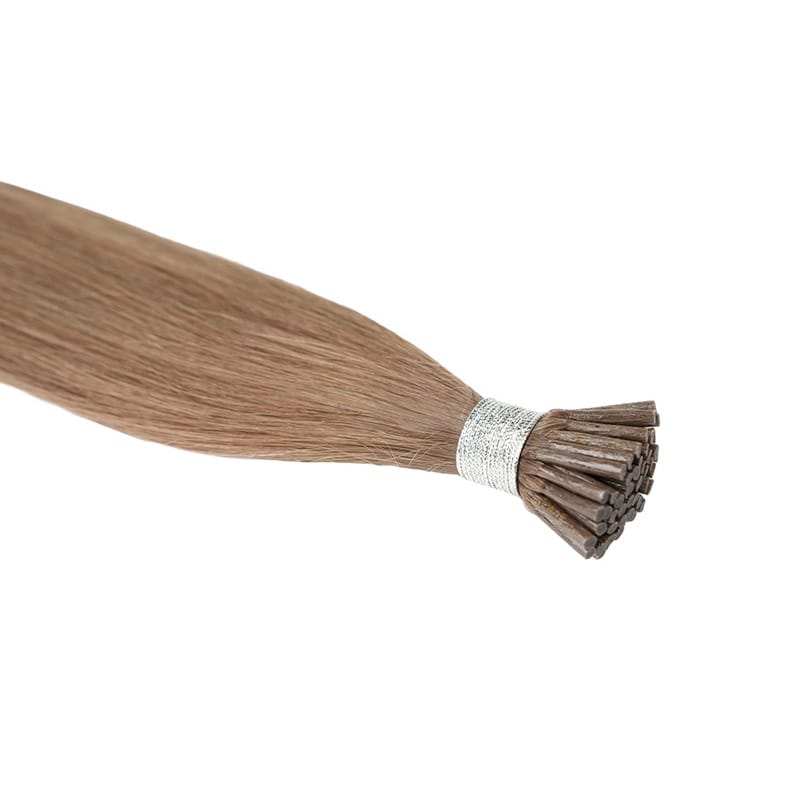
The tape section is one of the most important parts of wholesale tape in hair extensions. A strong tape tab should lie flat, feel comfortable, and hold securely when applied by a professional. If the adhesive is too weak, clients may experience slipping. If the tape area is too thick or stiff, it may feel uncomfortable or visible near the scalp.
Details to Inspect Before Bulk Ordering
When checking samples, look closely at the following details:
- Is the tape tab clean and evenly made?
- Does the hair distribute smoothly across the adhesive area?
- Does the tape feel too bulky?
- Can the tab bend naturally with the head shape?
- Does the replacement tape match the original tape size?
For salon clients, comfort matters. For business buyers, repeatability matters even more. If one batch has thin, flexible tape tabs and the next batch has thick or uneven tabs, your brand reputation may suffer. Reliable wholesale tape in hair extensions should have stable construction across samples and bulk production.
Use a Clear Supplier Evaluation Table
When comparing suppliers, many buyers rely too heavily on photos, catalog descriptions, or a single sample. A more professional approach is to compare each supplier against the same criteria. The table below can be adapted for salon purchasing, distributor sourcing, or private-label product development.
| Evaluation Area | Was zu überprüfen ist | Why It Matters for Wholesale Buyers |
|---|---|---|
| Hair quality | Softness after washing, end fullness, tangling, shedding, cuticle direction | Determines customer satisfaction and repeat purchase potential |
| Tape construction | Flatness, flexibility, adhesive strength, tab consistency | Affects comfort, installation quality, and salon complaints |
| Color accuracy | Shade matching, highlight blending, color stability after washing | Helps reduce returns and improves salon-level results |
| Length and weight | True length, grams per pack, number of pieces, thickness balance | Makes product descriptions clearer and inventory planning easier |
| Texture stability | Wave or curl behavior after washing and styling | Ensures the product matches customer expectations after use |
| OEM support | Logo labels, custom packaging, care cards, barcode stickers | Supports private-label growth and brand presentation |
| Production consistency | Batch-to-batch quality, sample matching, inspection process | Protects the buyer from quality fluctuations during repeat orders |
| Communication | Clear specifications, response speed, problem-solving ability | Reduces sourcing risk and helps long-term cooperation |
How to Use This Table in Real Sourcing
This kind of checklist makes the buying process more objective. It also helps your team avoid choosing wholesale tape in hair extensions only because one sample looks attractive. For serious buyers, the best supplier is not always the one with the most dramatic product photo. It is the one that can keep specifications stable when your order volume increases.
A Practical Scoring Method
For internal purchasing, you can score each area from 1 to 5. A supplier does not need to be perfect in every category, but major weaknesses in hair quality, tape construction, or production consistency should be treated carefully. These three areas have the greatest impact on customer complaints and repeat orders.
Match Product Options to Your Market
Wholesale buyers should not select products only from a supplier’s standard catalog. The better approach is to choose colors, lengths, textures, and pack structures based on the customers you actually serve.
Choose Colors Based on Your Customer Base
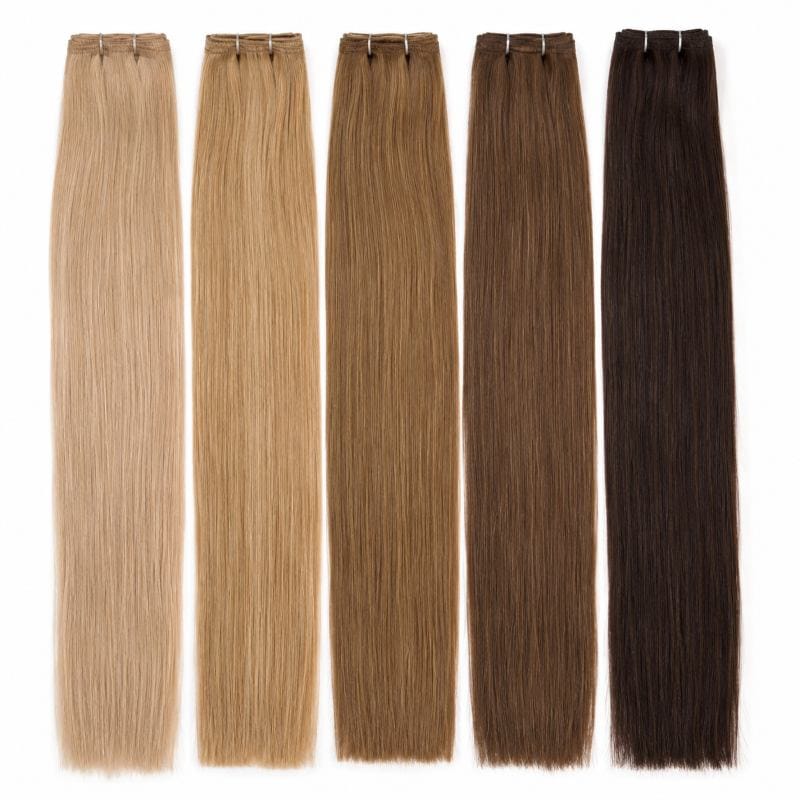
Color selection is one of the strongest selling points in the hair extension business. Many buyers start with common shades such as natural black, dark brown, medium brown, blonde, and highlighted colors. These are useful, but they may not be enough if your market expects salon-level color matching.
Before ordering wholesale tape in hair extensions, review your customer base. A salon serving European and North American clients may need more balayage, rooted blonde, ash tones, and dimensional highlights. A distributor serving African, Latin American, or Middle Eastern markets may need deeper natural shades, textured options, and strong density preferences. A private-label brand may need a narrower but more polished color range to avoid overwhelming new customers.
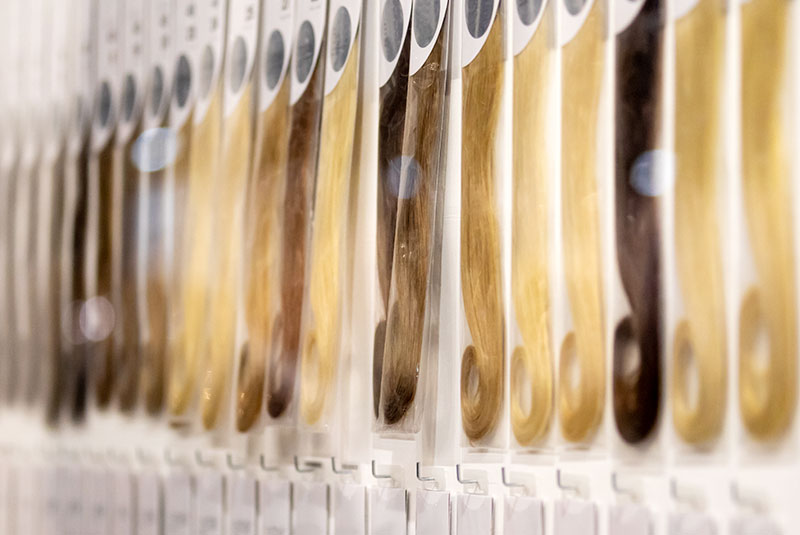
A good supplier should be able to discuss color development, not simply send a color chart. Ask whether they can produce custom colors, match samples, support mixed color orders, and keep records of approved colors for repeat production. This is especially important if you plan to sell wholesale tape in hair extensions under your own brand name.
Consider Length, Weight, and Pack Structure
When buying for resale, product structure affects both customer experience and inventory planning. Wholesale tape in hair extensions may be sold by pieces, packs, grams, or bundles, depending on the supplier and market standard. Before placing an order, confirm exactly what each pack contains.
For example, buyers should clarify:
- How many pieces are included per pack?
- What is the total hair weight?
- Is the listed length measured before or after styling?
- Are shorter return hairs included near the tape area?
- Can the supplier customize pack quantity or label format?
These details may seem small, but they affect how your sales team explains the product to customers. If your website says one pack is enough for volume, but clients need more packs for a full-head installation, confusion can lead to returns or poor reviews. A clear wholesale tape in hair extensions specification helps your brand look more professional and reduces customer service problems.

Think About Texture and Real Client Needs
Straight tape-ins are common, but they are not the only opportunity. Many customers want tape-ins that blend with natural wave, loose curl, or styled hair. For salons, texture matching can reduce styling time and improve the final result. For distributors, offering the right texture range can help differentiate your catalog.
The demand for more inclusive texture options is also part of a broader industry conversation. Beauty publications and industry reports have noted that textured hair consumers have historically been underserved in parts of the extensions market, even though they represent an important customer base. For wholesale buyers, this is not just a social trend. It is a product development signal. Better texture matching can help salons and brands serve more customers with fewer compromises.
Test Texture After Washing
When evaluating wholesale tape in hair extensions, ask whether the texture is created through steam processing, heat setting, or other methods. Also test how the texture behaves after washing. Some waves look attractive before washing but loosen quickly. Others may hold shape better but feel less soft. The best choice depends on your market positioning.
Different Markets Need Different Texture Ranges
A premium salon brand may prefer soft, natural movement and subtle wave patterns. A trend-driven online hair brand may need more dramatic textures and bolder color combinations. A wholesale distributor may need several texture options to serve different customer groups.
Check OEM and Private Label Support Before Scaling
If you are building a long-term hair business, supplier service matters as much as product quality. Many buyers start by ordering wholesale tape in hair extensions in neutral packaging. As the business grows, they need branded labels, logo cards, custom packaging, barcode stickers, care cards, and consistent product naming.
Private Label Details to Confirm
Before choosing a supplier, ask about OEM and private-label capabilities. Can the supplier support your logo? Can they help with packaging design? Can they keep your product specifications on file? Can they separate different lengths, colors, and textures clearly for your warehouse or fulfillment team?
Private-label support is especially important for online brands. Customers may never see the factory, but they will see the packaging, instructions, and product consistency. A supplier that understands OEM work can help make wholesale tape in hair extensions feel like a finished retail product rather than a generic bulk item.
Test Samples Before You Scale
A sample order is not just a formality. It is your first quality-control step. When testing wholesale tape in hair extensions, do not judge them only under factory lighting or in a product photo. Test them in the same way your end customer will use them.
Sample Testing Checklist
Wash the sample with suitable products. Let it air dry. Brush it gently. Check for tangling near the tape area. Style it with moderate heat if the product is intended for heat styling. Compare the dry ends before and after washing. Check whether the color fades heavily. If possible, have a professional stylist install and remove the sample to evaluate tape performance.
Keep notes for each sample. Record the color, length, texture, weight, tape feel, shedding level, and wash result. This gives you a practical standard when comparing suppliers. It also helps you communicate clearly when requesting changes.

Think Beyond the First Order
Many new buyers focus only on the first purchase. Experienced buyers think about the second, third, and tenth order. If your first order sells well, can the supplier reproduce the same color? Can they keep the same tape quality? Can they handle seasonal demand? Can they support new product development when your market changes?
What Long-Term Buyers Should Ask
Before committing to repeated orders, ask whether the supplier can:
- Keep approved samples for future comparison
- Record your custom colors and packaging requirements
- Support different product lines as your brand grows
- Communicate clearly when production details need adjustment
- Help organize orders by length, color, texture, and label type
The best wholesale tape in hair extensions supplier should be able to grow with your business. That includes communication, sampling, customization, quality checks, and realistic production planning. A lower-quality supplier may seem convenient at the beginning, but inconsistent quality can cost more in refunds, complaints, and lost repeat customers.
Final Thoughts
Wholesale tape in hair extensions can be a strong product category for salons, distributors, and private-label hair brands. They are practical, popular, and flexible enough to fit many customer needs. But success depends on choosing the right supplier and testing the product carefully before scaling.
Focus on hair quality, tape construction, color accuracy, pack structure, OEM support, and repeatable production. Ask detailed questions. Test samples properly. Build a quality checklist. When your supplier can support both the product and the business behind it, wholesale tape in hair extensions become more than an inventory item. They become a reliable part of your brand growth.